

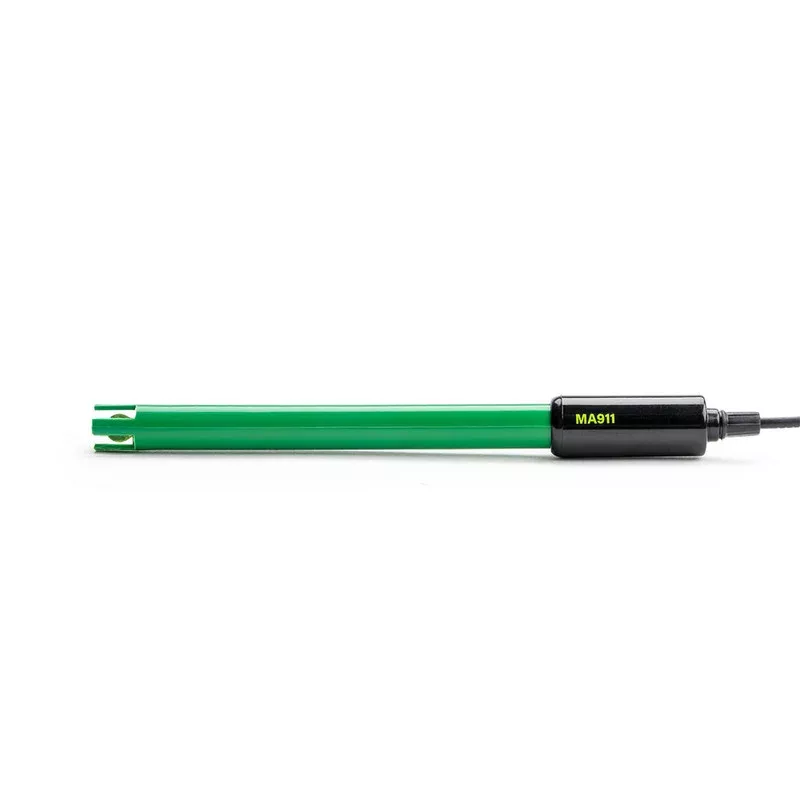
Double Junction Lab Grade pH Probe (MA911B/2) – Milwaukee
Original price was: $22.04.$13.09Current price is: $13.09.
77 in stock
Description
DescriptionrThe MA911B/2 probe is lab grade, gel-filled pH probe for use with Milwaukee Monitors and Controllers.rDesign FeaturesrTop features include:rDouble JunctionrThe double junction junction design reduces the risk of clogging.rSpherical Glass TiprThe sperical glass tip provide the largest possible surface area for faster results.rResin BodyrThe resin body is tough to withstand accidental knocks and also protects the glass sensing bulb.rExtended cablerOffers a 6.6 feet cable for increased flexibility in measuring.rUse and CarerpH meters usually start performing poorly because of problems with the probe. The two parts of the pH probe that cause problems are the glass sensing bulb and the reference junction.rSensing bulbrThe glass bulb loses sensitivity with use and will eventually fail. This is true of all pH probes.rReference junctionrThe reference junction is a small hole that allows the meter to compare the sample to a reference. The reading is generated based on the electrical difference between the sample and reference. If the junction hole gets clogged, the pH probe will no longer function.rYou can extend the life of your pH electrode in the following ways.rStoragerThe pH probe needs to be kept hydrated. Long periods of dry storage will damage the sensitivity of the probe. Allowing the probe to dry out may also result in the junction hole getting clogged.rStoring in pH probe storage solution or pH calibration buffers will help address both these issues. Do not store in tap water and DI water. This will damage the sensitivity of the probe.rThe best way to store the probe is with the probe’s cap filled with storage solution or calibiration buffer and the cap tightened to prevent leakage. It is also recommended that to store the electrode upright to further reduce the potential for leakage.rCleaningrResidue from the sample can impact the sensitivity of the sensing bulb and block the junction. This is especially true if the sample has a lot of organic material. We recommend regularly soaking your electrode in cleaning solution.rCalibrationrThe pH sensing bulbs become less sensitive over time so make sure that you are calibrating regularly” }
Related products
-
- Sale!
- hot sale
P3 3/11/25 DHC Meteor Shower Cyphastrea
- Original price was: $11.99.$7.26Current price is: $7.26.
- Add to cart
-
- Sale!
- hot sale
Caru Daily Dish Smoothie Peanut Butter Flavor Lickable Treat for Dogs
- Original price was: $3.19.$1.76Current price is: $1.76.
- Add to cart
-
- Sale!
- hot sale
E4 3/15/25 CSC Yellow Ring RFA
- Original price was: $20.80.$10.60Current price is: $10.60.
- Add to cart
-
- Sale!
- hot sale
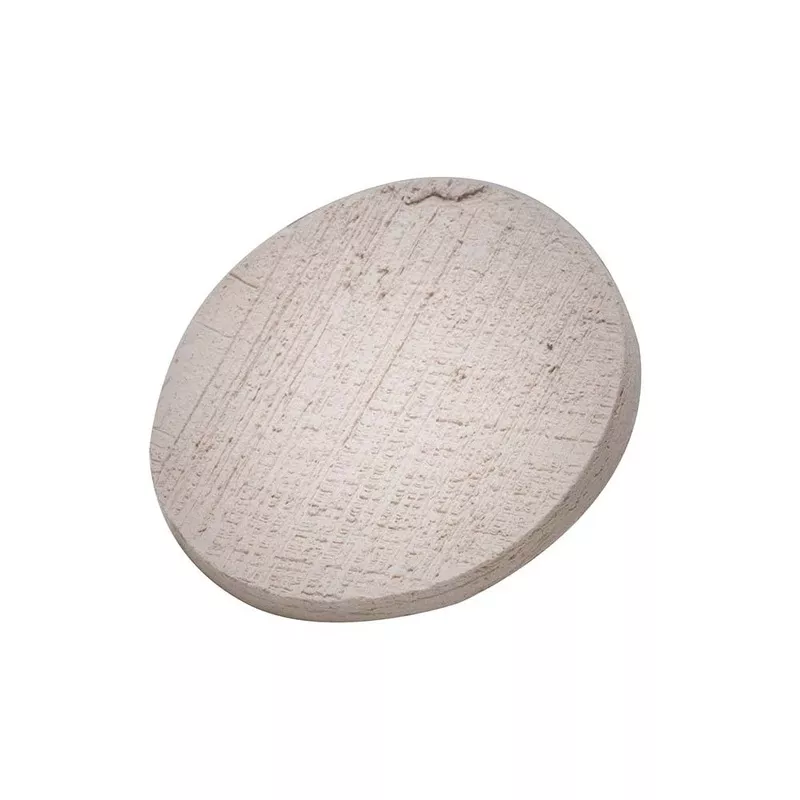
Ceramic Frag Plug 10 Pack
- Original price was: $3.03.$1.99Current price is: $1.99.
- Add to cart
-
- Sale!
- hot sale
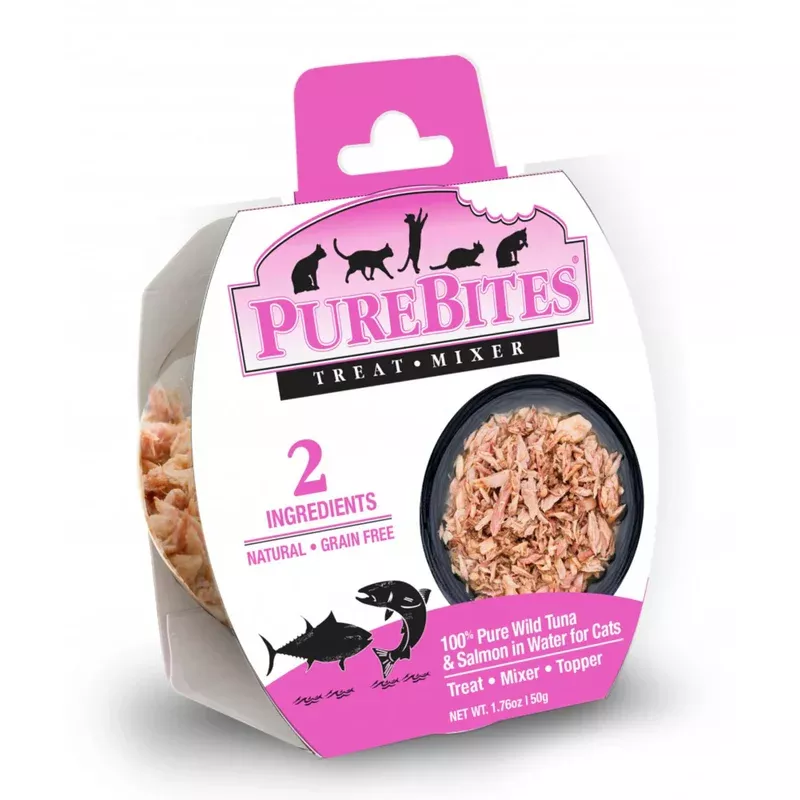
PureBites Mixers Wild Skipjack Tuna & Wild Alaskan Salmon in Water Cat Food Topper Treat
- Original price was: $16.79.$8.44Current price is: $8.44.
- Add to cart
-
- Sale!
- hot sale
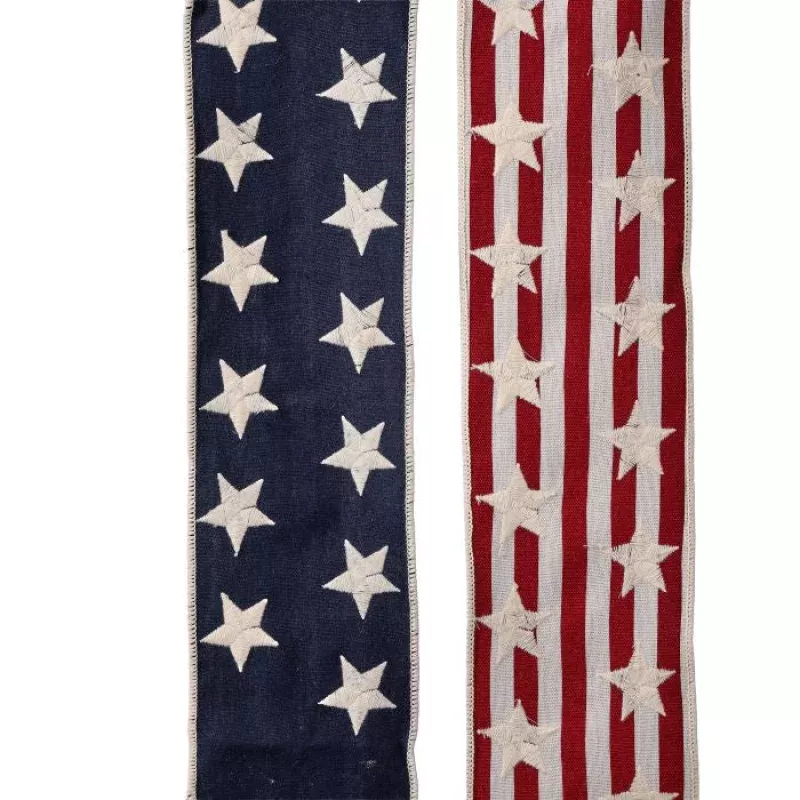
4x5y Americana Star Ribbon
- Original price was: $21.20.$16.01Current price is: $16.01.
- Add to cart
-
- Sale!
- hot sale
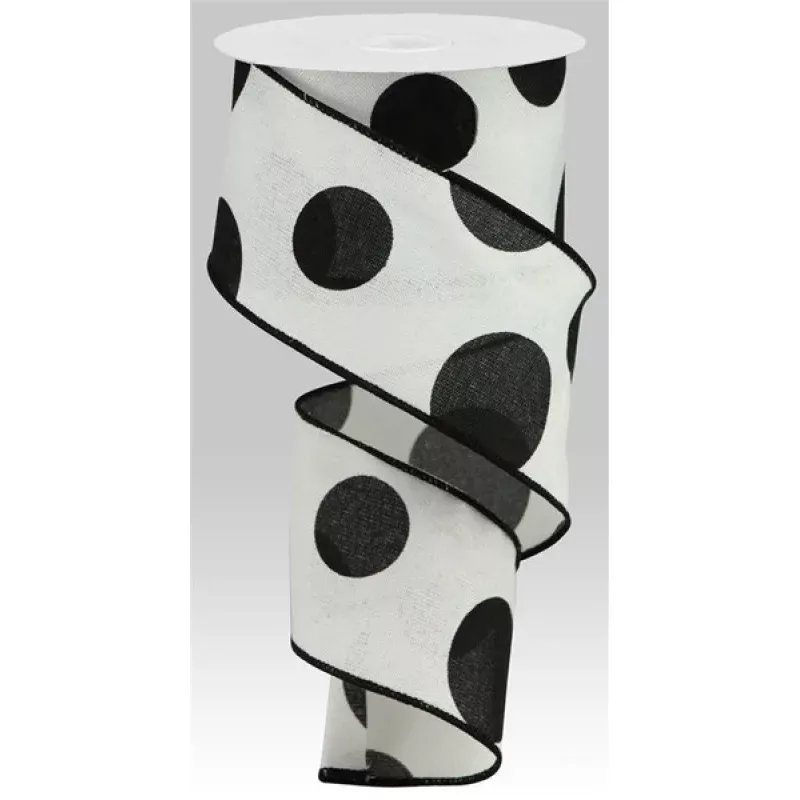
2.5X10yd Large Polka Dot On Royal
- Original price was: $4.79.$3.65Current price is: $3.65.
- Add to cart
-
- Sale!
- hot sale
Lenox T-Shank 4 In. x 10 TPI High Carbon Steel Jig Saw Blade, Clean Soft Wood (3-Pack)
- Original price was: $71.99.$39.82Current price is: $39.82.
- Add to cart