
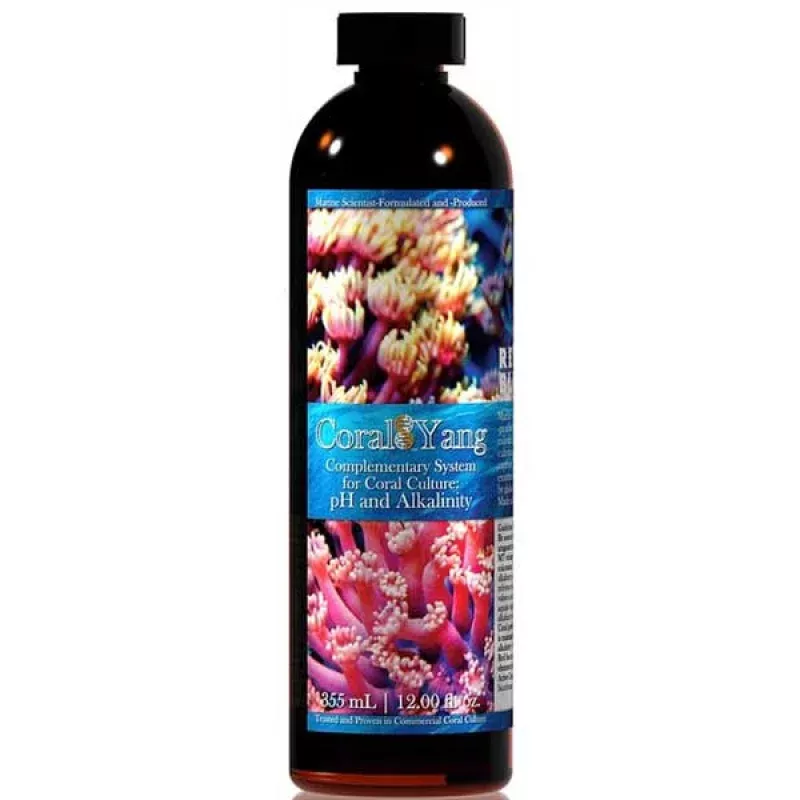
Reef BluePrint Coral8 Yang (355mL) – Captiv8 Aquaculture
Original price was: $6.85.$3.75Current price is: $3.75.
68 in stock
Description
Parameter ValuerrrrrCalcium 146,600 ppmrrrStrontium 2,932 ppmrrrMagnesium 407 ppmrrrBromide 45 ppmrrrPotassium 22 ppmrrrrrCharacteristicsrrrrrActive Components: Calcium chloride, FCC; Strontium chloride, USP; Magnesium sulfate, USP; Potassium bromide, USP.rrrrrBasic Applicationrrrrr1 mL per 26.4 gallons (100 L) increases [Ca] by 1.47 ppm.rrr5 mL per 20.0 gallons (75.7 L) increases [Ca] by 9.68 ppm.rrrReference Standard [Ca]:rrr412.1 ppm (S=35.0)rrr468.1 ppm (S=40.0)rrrrrIn established systems, increase [Ca] up to 5% of existing ionic value daily, until desired value or reference standard is reached.rrrCoral8 YangrrrParameter ValuerrrrrAlkalinity 160,000 ppmrrrMax pH value attained ~8.4rrrrrCharacteristicsrrrrrActive Components: USP-grade potassium and/or sodium salts of bicarbonate, carbonate, and borate.rrrrrBasic Applicationrrrrr1 mL per 26.4 gallons (100 L) increases alkalinity by 0.10 dKH.rrr5 mL per 20.0 gallons (75.7 L) increases alkalinity by 0.60 dKH.rrrRecommended alkalinity value in established coral culture systems is ~8.0 – 9.0 dKH.rrrIn established systems, increase alkalinity up to 1 dKH daily, until desired value or reference standard is reached.rrrKeep out of reach of children and unauthorized persons.Avoid contact with skin, eyes, and mucous membranes. Store in a cool, dry location away from sunlight.Do not mix Coral8 Yin and Yang solutions within the same vessel, as precipitation will occur rendering the product less impactful, if not completely unusable for the intended application.rThe following discussion and recommendations are made expressly for recirculating systems. Laboratory application may proceed as required by study objectives. ReviewDisclaimerat bottom of page prior to using this or other Captiv8 Aquaculture product(s).rThe rate of ion depletion due to cohort uptake is driven by various chemical and physical factors which are unique to each independently-operating recirculating system, and which are constantly changing as cohort biomass increases and decreases.rMonitoring (daily) the system’s concentrations of element(s) provided by this formulation and referencing apparent changes in cohort biomass will enable User to adjust dosing of this formula to suit system requirements, improving overall effectiveness and resulting in less wasted solution.rRecommended is diluting an appropriate volume of these solutions into a larger volume of purified water (with a purity of at least 98%), and applying the diluted solutions to the system with an automated dosing system. Dosing frequency is directly proportional to stability of ionic concentrations and, resultantly, continuous cohort biomass growth. A 1 – 10 s drip interval provides adequate ionic stability, and is recommended.rIf no automated dosing system is available, then apply solutions manually each day. Dosing frequency is directly proportional to stability of ionic concentrations and, resultantly, continuous cohort biomass growth. Dosage volume per 24 h is divided by the dosing frequency*.rIt is not recommended that these formulations be dosed fewer than four times weekly.rRecommended: Do not increase parameter concentration by more than 5% per 24h period in systems with existing cohorts. Aside from emergencies (e.g. excessive nutrient content in an active system, greatly depressed or excessive salinity, etc.), gradual changes in water composition are generally tolerated better by aquatic organisms than are rapid changes.rCoral8 Yin:rReference Standards: 1 mL Isol8 Ca diluted in 26.4 gal. (100 L) water yields 1.47 ppm increase of [Ca].rTo calculate required solution volume for known parameter differential:rrrMultiply net water volume (L) by actual [Ca] (ppm).rrrMultiply net water volume (L) by desired [Ca] (ppm).rrrSubtract product of Step 1 from product of Step 2.rrrDivide difference of Step 3 by 146.60. Answer is mL soln required to achieve desired [Ca] in situ.rrrCoral8 Yang:rIf using with automated dosing apparatus, then do not introduce organic materials into the direct vicinity of the Coral8 Yang drip entry point, as these may saponify. Do not apply in close proximity to sessile invertebrates or developing finfish embryos. Monitor cohort for signs of distress when increasing average system alkalinity and pH values, and decrease or halt dosing if distress is noticed. Do not exceed maximum pH value of 8.40 in recirculating seawater systems.r*Example: If dosage volume per 24 h = 10 mL and dosing frequency = 4, then dose 2.5 mL per event.rrrDisclaimerrrNotice: It is not possible to eliminate all risks associated with the use, handling, or storage of this product. Ineffectiveness, injury to crops and/or livestock, or other unintended consequences may result due to factors outside the control of Captiv8 Aquaculture or the seller. Buyer or user shall assume all such ris” }
Related products
-
- Sale!
- hot sale
Lenox T-Shank 4 In. x 10 TPI High Carbon Steel Jig Saw Blade, Clean Soft Wood (3-Pack)
- Original price was: $71.99.$39.82Current price is: $39.82.
- Add to cart
-
- Sale!
- hot sale
Emerald Check Dinner Paper Napkin
- Original price was: $5.75.$3.91Current price is: $3.91.
- Add to cart
-
- Sale!
- hot sale
E2 3/15/25 CSC Red Grafted RFA
- Original price was: $60.00.$39.54Current price is: $39.54.
- Add to cart
-
- Sale!
- hot sale
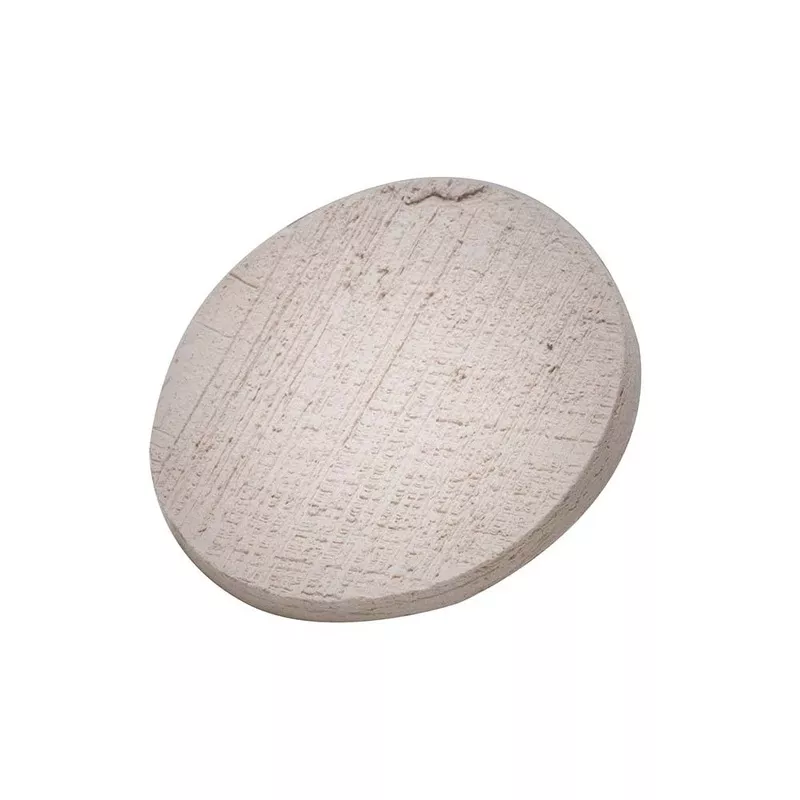
Ceramic Frag Plug 10 Pack
- Original price was: $3.03.$1.99Current price is: $1.99.
- Add to cart
-
- Sale!
- hot sale
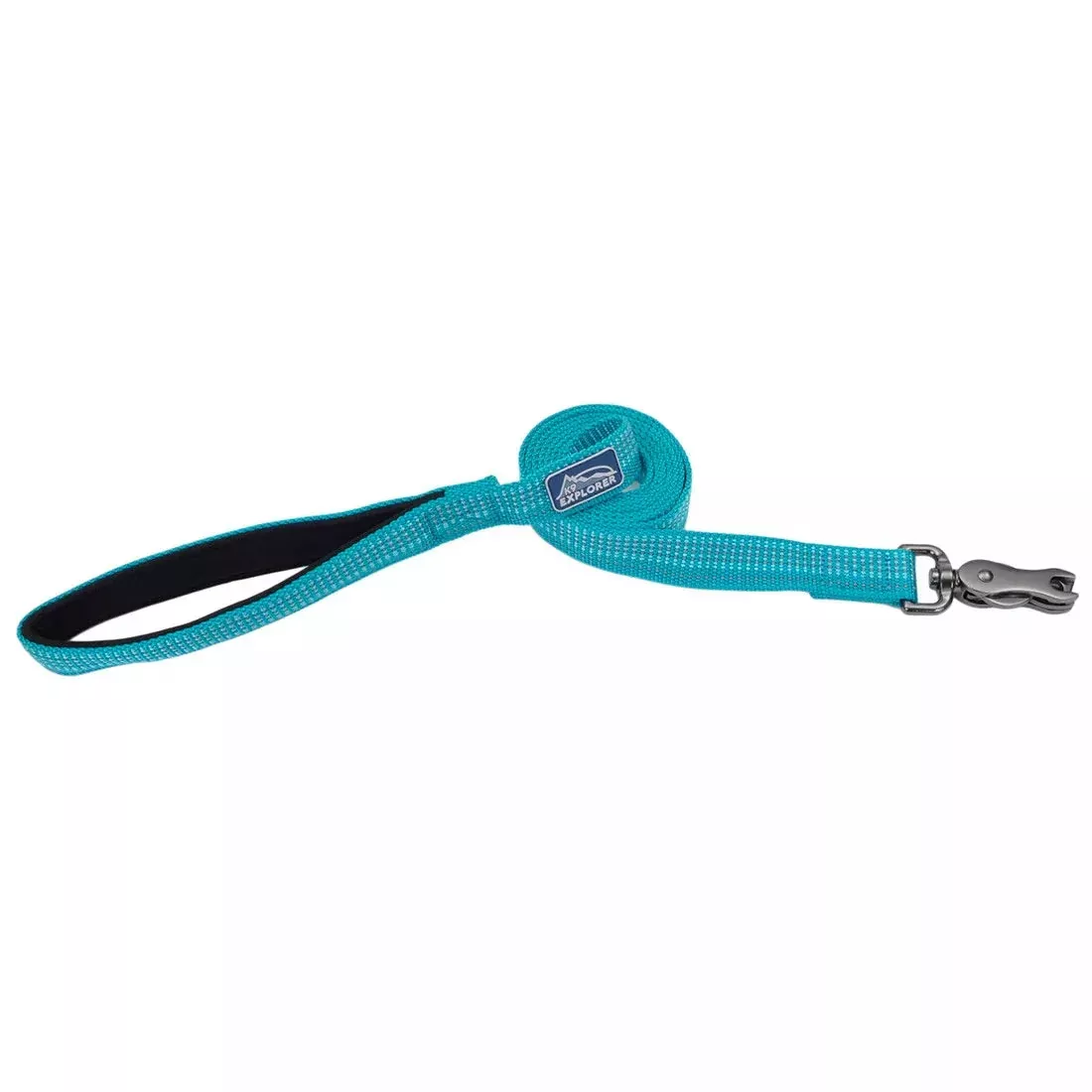
Coastal Pet Products K9 Explorer Brights Reflective Dog Leash Ocean 1″ x 06′
- Original price was: $21.99.$15.02Current price is: $15.02.
- Add to cart
-
- Sale!
- hot sale
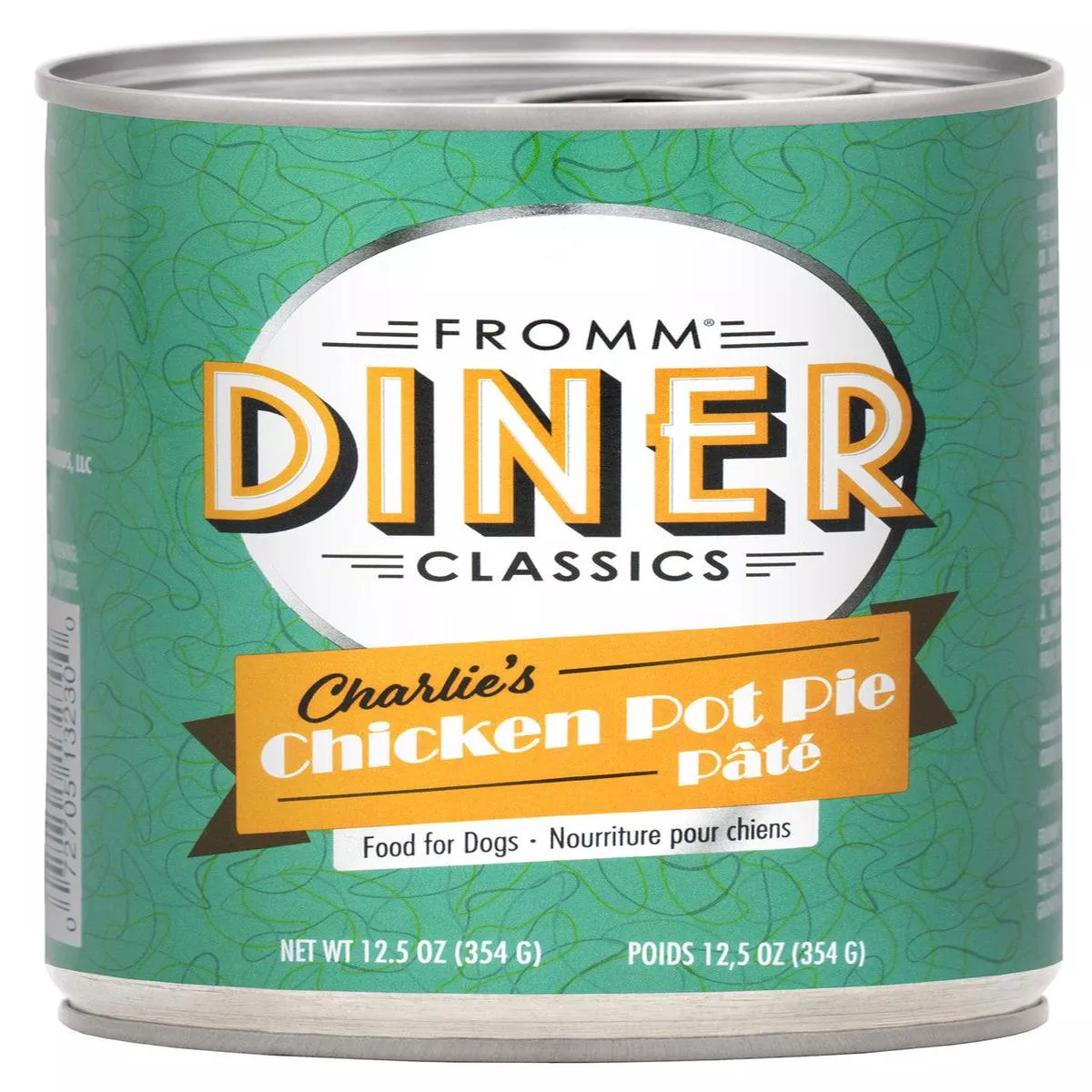
Fromm Diner Classics Charlies Chicken Pot Pie Pate Canned Dog Food 12.5 oz – Case of 12
- Original price was: $24.31.$17.63Current price is: $17.63.
- Add to cart
-
- Sale!
- hot sale
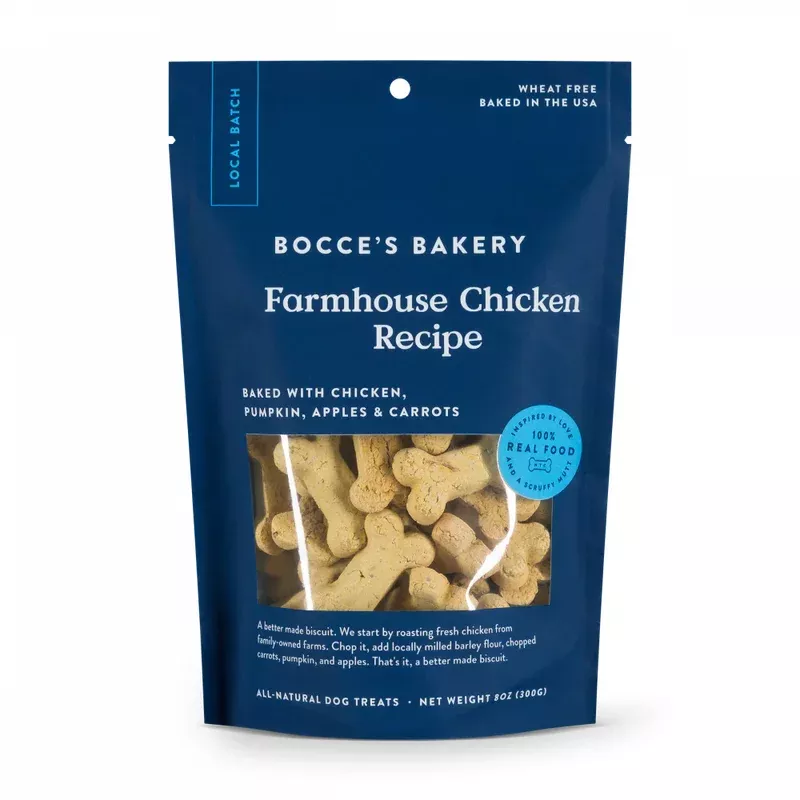
Bocce’s Bakery Farmhouse Chicken All Natural Dog Biscuits
- Original price was: $8.79.$6.72Current price is: $6.72.
- Add to cart
-
- Sale!
- hot sale
Caru Daily Dish Smoothie Peanut Butter Flavor Lickable Treat for Dogs
- Original price was: $3.19.$1.76Current price is: $1.76.
- Add to cart