
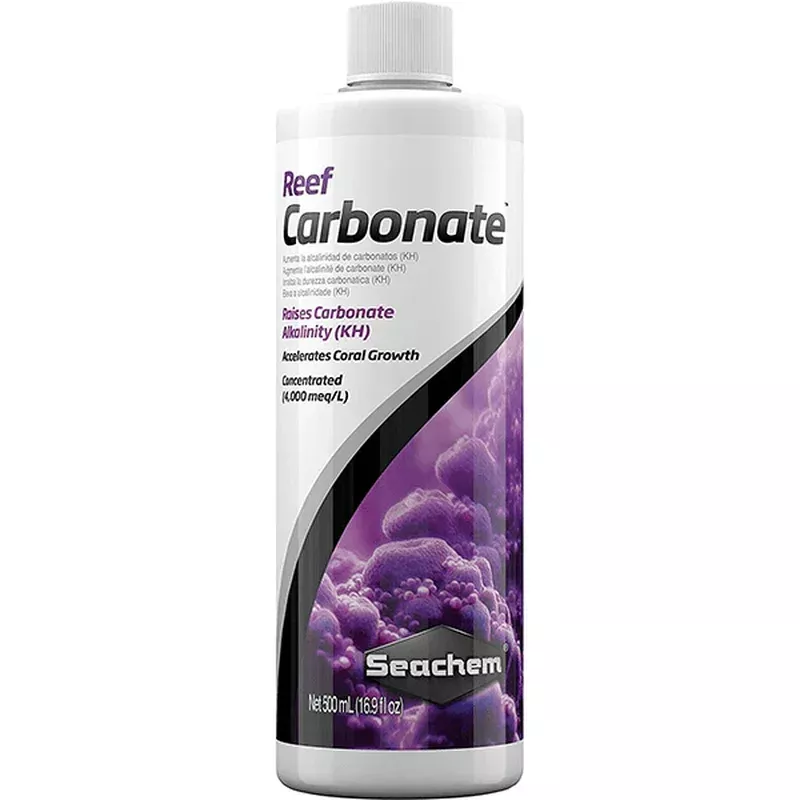
Seachem Reef Carbonate
Original price was: $5.99.$3.14Current price is: $3.14.
40 in stock
Description
Key Features
_x000D_
- _x000D_
- Raises carbonate alkalinity (KH)
- Concentrated (4,000 meq/L)
- Made with a blend of carbonate and bicarbonate salts
_x000D_
_x000D_
_x000D_
_x000D_
Description
_x000D_
Reef Carbonate is a concentrated (4,000 meq/L) optimized blend of carbonate and bicarbonate salts designed to restore and maintain alkalinity in the reef aquarium. Calcium and carbonates are essential to all coral growth. If either becomes deficient, coral growth will cease, followed by a rapid decline in coral health. To prevent this you must provide carbonates (Reef Carbonate) and calcium (Reef Advantage Calcium or Reef Complete).
_x000D_
Whereas competing products simply use sodium bicarbonate, Reef Carbonate is made with a blend of carbonate and bicarbonate salts. This blend of salts results in Reef Carbonate yielding a pK of roughly 9.0 in saltwater (higher than competing products). In a closed reef system, the multitude of organics produced by reef inhabitants tends to force pH downward, but the advantage of Reef Carbonates higher pK is a stabilization of pH around 8.3-8.4. Competing products formulations make them incapable of such a claim, so pH will always fall below desirable levels for a reef aquarium.
_x000D_
Used as directed, Reef Carbonate will not deplete calcium, magnesium, or strontium which usually tend to precipitate with increasing alkalinity. Reef alkalinity should be maintained at 35 meq/L (814 dKH). Alkalinity should not be allowed to fall below 2 meq/L.
_x000D_
Directions
_x000D_
BEGINNER: Use 1 capful (5 mL) per 80 L (20 gallons) twice a week. Best if diluted into a cup of freshwater, then added. Check alkalinity every 2 weeks and adjust amount or frequency accordingly.
_x000D_
ADVANCED: Check alkalinity, then follow addition regimen above until alkalinity is adjusted to 45 meq/L. Each mL contains a minimum of 4 meq of alkalinity. Each 5 mL/80 L will raise alkalinity by about 0.25 meq/L. Amount or frequency can be adjusted, but do not exceed 20 mL/80 L per day. Thereafter, use as required to maintain alkalinity.
_x000D_
EXPERT: After determining the alkalinity consumption rate, set up a continuous drip system. Use the following formula to determine how much to add to your topoff water: m=va/4 (m=mL of product to add to top off water, v=volume of tank in liters, a=amount to raise alkalinity in meq/L). For example, if you want to raise alkalinity by 1 meq/L in a 200 liter tank, then you would add (200×1)/4=50 mL into the topoff water. [For reference: 1 gallon=3.8 L].
_x000D_
NOTES: Best to pour in gradually near strong water movement. Do not add to a sump or other area of slow water exchange. Use MultiTest: Marine pH & Alkalinity to measure total alkalinity or Reef Status Magnesium, Carbonate & Borate to measure carbonate alkalinity.
_x000D_
DO NOT OVERDOSE: Excess alkalinity may enhance the loss of calcium, magnesium, and strontium. Do not directly mix with any calcium, magnesium, or strontium supplement. Best if calcium & carbonate additives are added on alternate days or at least 30 minutes apart.
Related products
-
- Sale!
- hot sale
Sarah Sweatshirt Pumpkin Bows|XS&SM&M&L&SL&1X&2X
- Original price was: $36.00.$26.89Current price is: $26.89.
- Add to cart
-
- Sale!
- hot sale
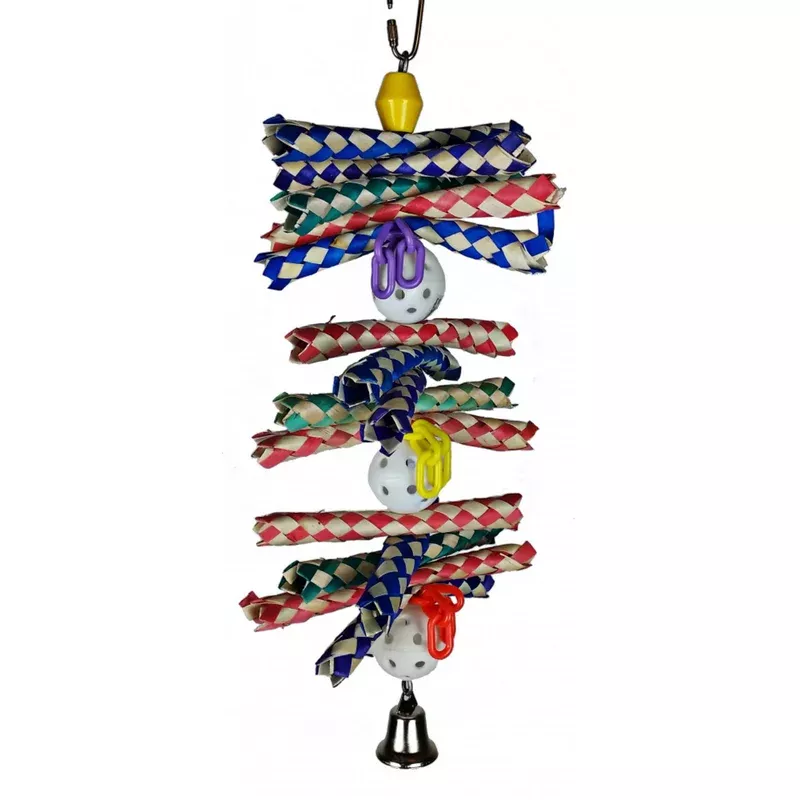
A & E Happy Beaks Finger Stack Bird Cage Accessory
- Original price was: $11.77.$8.90Current price is: $8.90.
- Add to cart
-
- Sale!
- hot sale
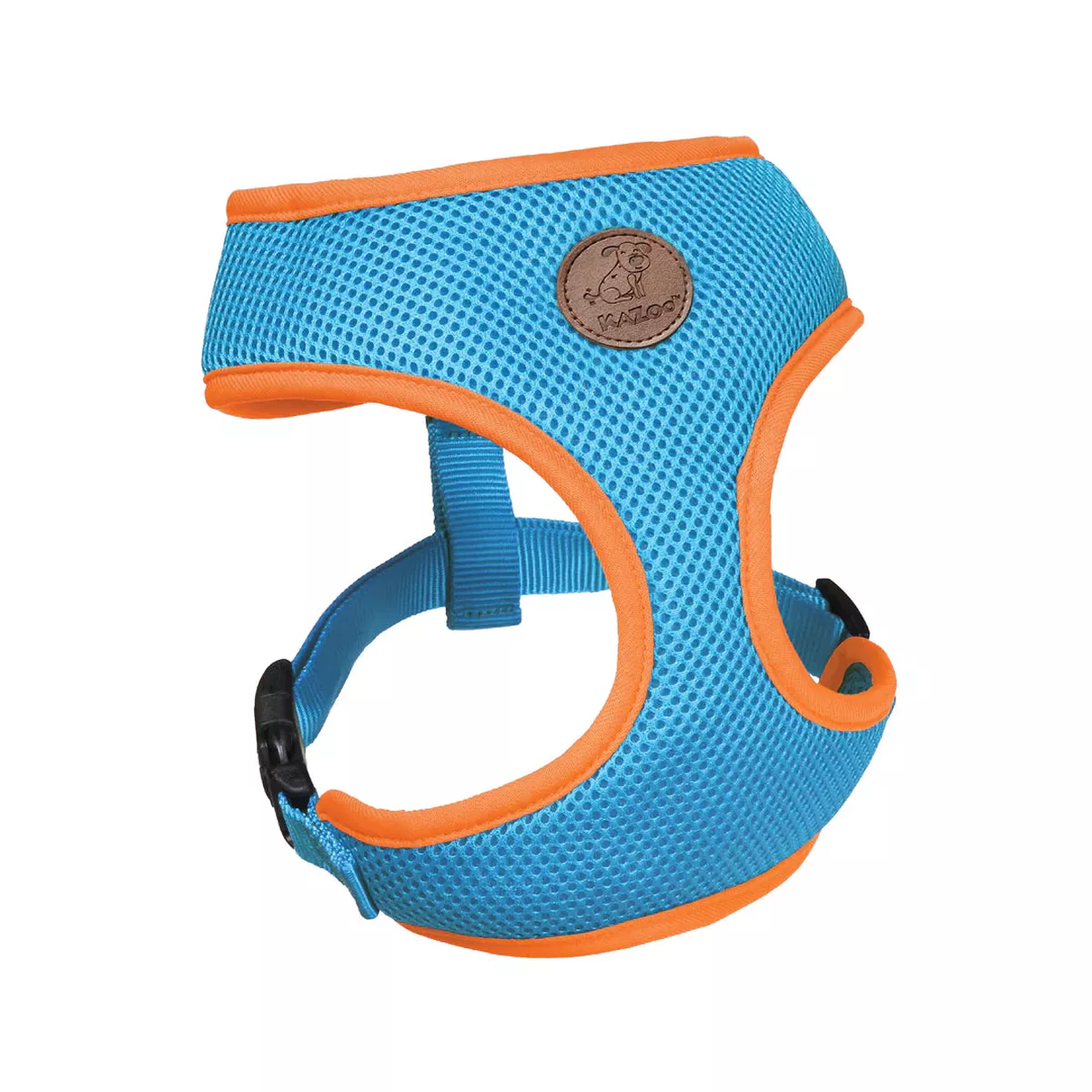
ACTIVE SOFT WALKING HARNESS OCEAN SUNRISE XXS
- Original price was: $23.03.$17.94Current price is: $17.94.
- Add to cart
-
- Sale!
- hot sale
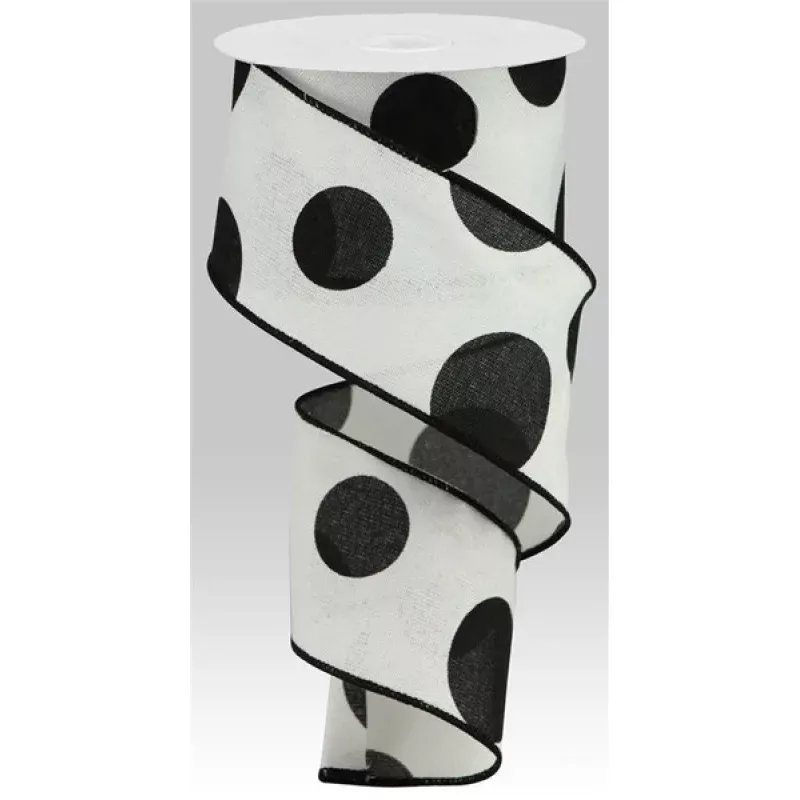
2.5X10yd Large Polka Dot On Royal
- Original price was: $4.79.$3.65Current price is: $3.65.
- Add to cart
-
- Sale!
- hot sale
9.25 Inch White Lilac Premade in Glass Vase with Faux Water
- Original price was: $7.19.$4.60Current price is: $4.60.
- Add to cart
-
- Sale!
- hot sale
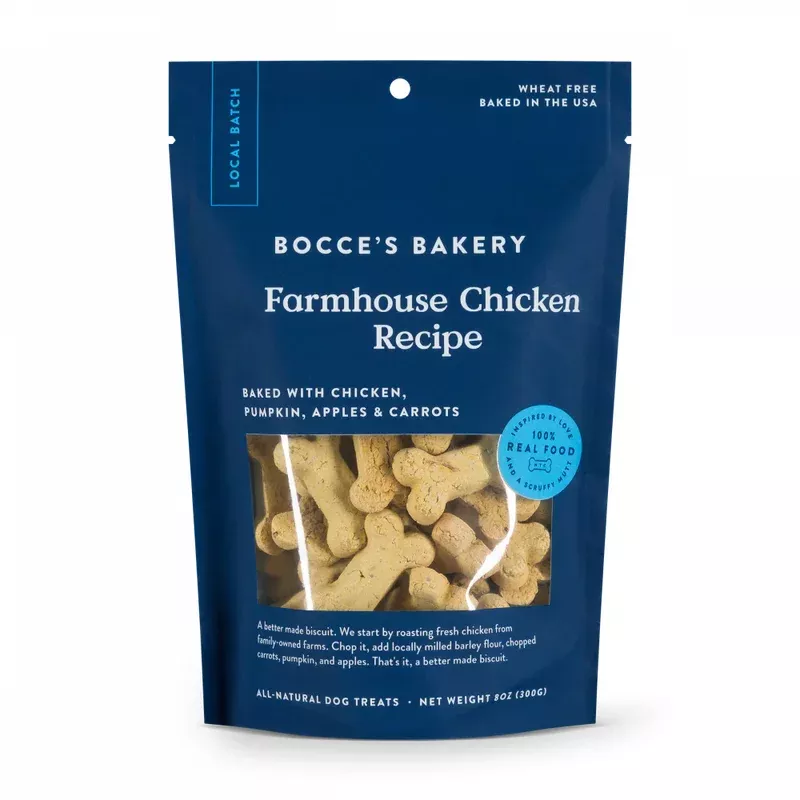
Bocce’s Bakery Farmhouse Chicken All Natural Dog Biscuits
- Original price was: $8.79.$6.72Current price is: $6.72.
- Add to cart
-
- Sale!
- hot sale
Four Paws Sanitary Pooper Scooper Rake Scoop
- Original price was: $15.35.$8.40Current price is: $8.40.
- Add to cart
-
- Sale!
- hot sale
Emerald Check Dinner Paper Napkin
- Original price was: $5.75.$3.91Current price is: $3.91.
- Add to cart